
Cuban Cafecito: The Crema, the Sugar, the Ritual of the First Shot
The Cuban cafecito is more than coffee; it's a jolt of sugary espresso and a cornerstone of Miami culture. Master the art of the espuma and the precise first pour that defines this powerful drink.
There is no warming up to a cafecito. It hits. It is a powerful, sweet, concentrated shot of espresso, a cultural cornerstone, and an essential fuel for the Cuban diaspora. Skip the drip, ignore the pour-over; the cafecito demands immediate, unapologetic attention and a very specific technique.
At its heart, the cafecito is about intensity and ritual: the dark roast, the generous sugar, and the magic of the *espuma*. Forget everything you think you know about espresso crema; the espuma is a wholly different beast, deliberately created, and utterly central to the experience. This isn't just coffee; it's a shot of energy, a conversation starter, and a daily anchor in places like Miami's Little Havana, where the *ventanita* culture thrives.
The Heart of the Shot: Moka Pot Precision
While traditional Cuban coffee houses would pull cafecitos from industrial espresso machines, most home renditions, and indeed many smaller establishments, rely on the humble moka pot. This isn't a compromise; it's a testament to the moka pot's ability to produce a potent, concentrated brew when handled correctly. For cafecito, I advocate for a stainless steel moka pot over aluminum; it heats more evenly, retains temperature better, and imparts no metallic off-flavors. Brands like Bialetti's Venus or Musa models are excellent choices.
The beans matter: a dark roast, often an espresso blend, is crucial. Look for origins that lend themselves to a bold flavor profile, like robusta-heavy blends or those featuring Vietnamese or Brazilian beans. Brands like Bustelo, Pilon, or La Llave are ubiquitous and authentic for a reason. Grind these beans to a medium-fine consistency—finer than for drip, but a touch coarser than a true espresso grind to prevent channeling and over-extraction in the moka pot. Fill the water reservoir to just below the safety valve with cold, filtered water. Load the filter basket with coffee, leveling it gently without tamping. Screw the top on firmly.
Place the moka pot on medium-low heat. The extraction should be slow and steady, taking 5-7 minutes. This slower pace allows for maximum flavor extraction without bitterness. Crucially, as the coffee begins to emerge into the upper chamber, *do not let it fully brew*. The very first few drops, intensely concentrated and dark, are what we are after for the espuma. Remove the pot from the heat as soon as the initial dribbles appear.
Whipping the Espuma: Sugar, Drips, and Vigor
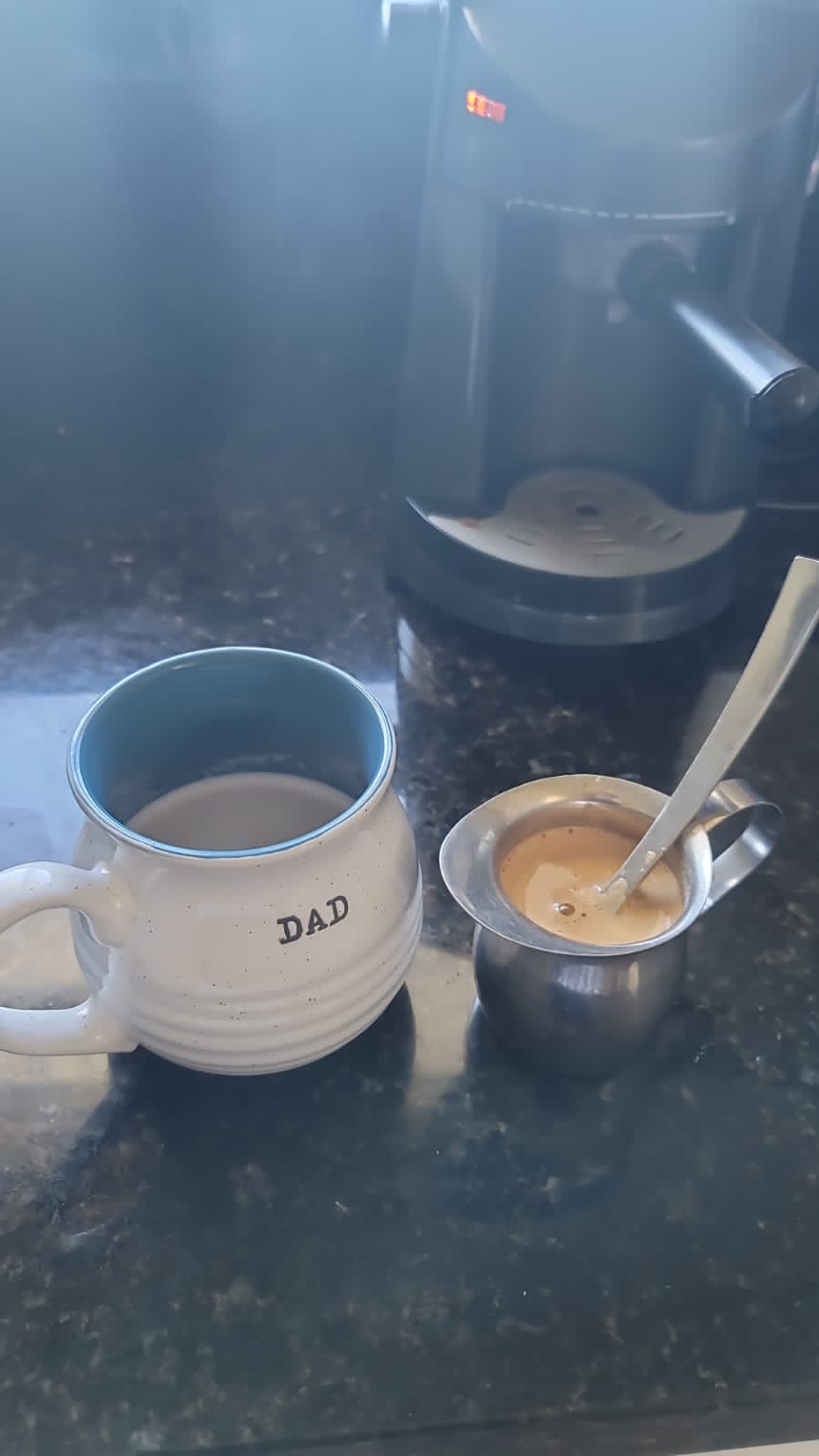
This is where the cafecito truly distinguishes itself. Take a small, heat-resistant cup—a demitasse or a dedicated cafecito cup works best. Add two to three tablespoons of fine white granulated sugar to the cup. No brown sugar, no raw sugar; the crystal structure of white granulated sugar is key to creating the espuma. Now, immediately pour those first few precious drops of the highly concentrated, hot coffee from the moka pot directly into the cup with the sugar. We're talking 1-2 teaspoons, not a full shot.
With a small spoon, begin to whip the sugar and coffee vigorously. You are not just stirring; you are aerating. The hot coffee dissolves the sugar, and the friction of the spoon against the cup, combined with the microscopic abrasions from the dissolving sugar crystals, traps air into the rich coffee oils. Continue whipping for 30-60 seconds, or until the mixture transforms into a thick, light brown, frothy paste, reminiscent of melted caramel but with a distinct airy texture. This is your *espuma*. It should be velvety, not bubbly like soap suds.
Building the Cafecito and the Culture
Once your espuma is perfect, return the moka pot to low heat and allow the remaining coffee to finish brewing completely. Once done, immediately pour the rest of the hot coffee over the prepared espuma in the cup. As the hot coffee hits the sugary foam, it lifts and integrates, creating that distinctive creamy top layer, a pale brown cap on a rich, dark body. Give it a gentle stir if you wish, but often, it's left to stratify for visual appeal.
The cafecito is typically served in a small paper or plastic cup, fostering a sense of informality and community. It’s rarely a solitary drink; you order a *colada*, which is a larger styrofoam cup of cafecito meant for sharing, served with several smaller plastic thimble-sized cups. The ritual of passing these small cups around, a shared moment of intensity and connection, is as much a part of the cafecito experience as the drink itself.
This isn't just a caffeine delivery system; it's a cultural artifact, a daily affirmation of community and energy. Master the precise art of the espuma, understand the crucial first drip, and you unlock not just a drink, but a piece of a vibrant tradition.
