
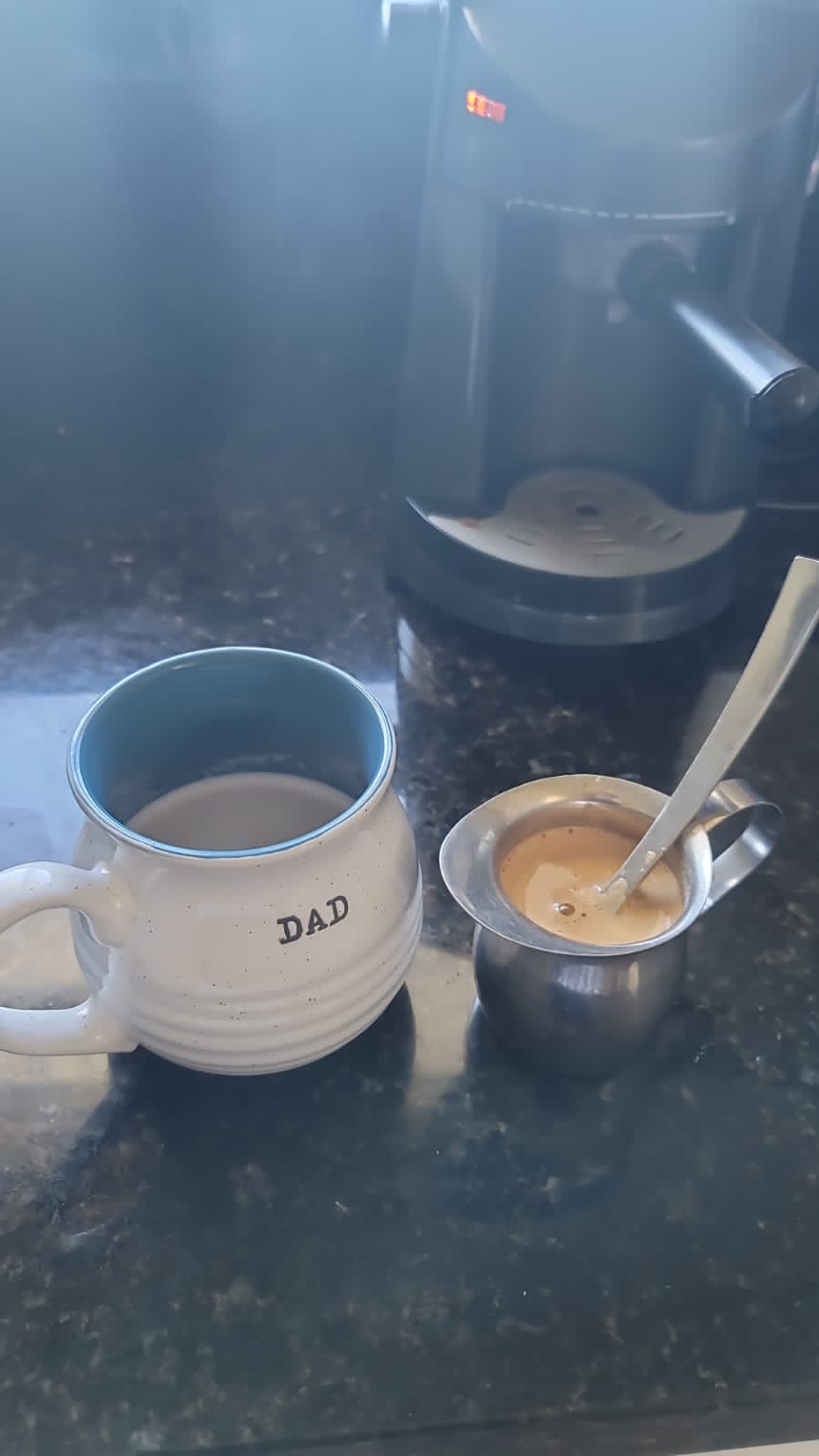
A true Cuban cafecito transcends mere espresso; it's a concentrated blast of sweetness, caffeine, and culture. The secret isn't just in the dark roast or the moka pot, but in the meticulous whipping of the espuma—a dense, sugary foam that floats atop every authentic cup. Without it, you have strong coffee, but you don't have a cafecito.
The Foundation: Dark Roast, Fine Grind
Cuban coffee demands a specific bean and roast. Forget light, nuanced single origins. We're looking for robust, often robusta-heavy, extremely dark roasted beans, like those found in traditional Cuban brands such as Café Bustelo or Pilon. These coffees are designed to stand up to sugar and provide a powerful kick, producing a thick, reddish-brown crema.
For brewing, the moka pot is non-negotiable. This means your grind size is critical: finer than drip coffee, but coarser than true espresso. Think of it as a consistent, coarse sand or table salt texture. Too fine, and your moka pot will choke, leading to bitter over-extraction. Too coarse, and you'll get weak, watery coffee lacking body. Start with freshly filtered, cold water filled just to the bottom of the moka pot's safety valve. Fill the filter basket loosely with your ground coffee, leveling it gently without tamping. Tamping will impede the flow and lead to poor extraction.
The Art of the Espuma: Whipping the First Shot
This is where cafecito separates itself. The espuma isn't milk foam; it's a creation born from the very first, most concentrated drops of coffee. To make it, place one to two teaspoons of granulated sugar into a small, heat-resistant cup—a demitasse works perfectly. As your moka pot begins to brew, watch closely. The moment the first few concentrated drops of coffee begin to emerge into the top chamber (typically about 10-15 drops, or roughly one tablespoon), immediately remove the moka pot from the heat and pour only these initial, thick drops into your sugar-laden cup.
Now, vigorously whip the sugar and coffee with a small spoon. The motion should be quick and circular, pressing the back of the spoon against the side of the cup. Within 30 to 60 seconds, this mixture will transform into a pale, thick, caramel-colored paste—the glorious espuma. It should be light, airy, and hold its shape. This aeration, combined with the sugar, creates a unique mouthfeel and balances the coffee's intensity.
Brewing with Precision: The Moka Pot Method
Once you've extracted those initial drops for your espuma, return the moka pot to medium-low heat. Let it brew steadily, allowing the water to slowly rise through the coffee grounds. Observe the stream; it should be consistent, not sputtering or gurgling. The moment the coffee stream starts to lighten in color or sputter, remove the moka pot from the heat. This prevents the bitter, over-extracted tail end of the brew from making it into your cup. For durability and a cleaner taste, we recommend a stainless steel moka pot like a Bialetti Venus over the traditional aluminum models, which can sometimes impart a metallic note over time. It's a subtle but significant upgrade for daily use.
Once your brew is complete, pour the remaining, fully extracted coffee directly over the prepared espuma in your demitasse cup. The hot coffee will gently lift and integrate the sweet foam, creating a beautiful, marbled effect and a perfect cap of sweetness.
The Ritual: Sharing the Cuban Way
A cafecito is rarely a solo endeavor. It's a social lubricant, a reason to pause and connect. In Miami, the ventanitas (little windows) serve as bustling hubs for these quick, powerful coffee breaks. When you order a cafecito, it often comes with a handful of small, plastic cups—a colada—intended for sharing. The person who makes or orders the colada pours small sips for friends and colleagues, fostering an instant sense of community.
The shared experience is as essential as the sugar. The robust flavor, the intense sweetness, and the powerful jolt of caffeine combine to create a truly distinctive coffee moment. Mastering the espuma is the key to unlocking this tradition. Practice it, share it, and respect the craft.
