
The path to an exceptional espresso shot is paved with precision, but no single variable holds more immediate power than grind size. Before water temperature, before dose, before tamping pressure, the fineness of your coffee grounds dictates how quickly water flows through the puck and, ultimately, what flavors are extracted. Adjust this crucial setting just a hair too coarse, and your shot will be sour; a hair too fine, and it will be burnt. The difference can be a single click on your grinder's dial.
The Coarse Calamity: Sour & Under-extracted
Imagine dumping a handful of pebbles into your portafilter. Water would rush through almost unimpeded, barely touching the surface area of each stone. This is what happens when your espresso grind is too coarse. The water spends too little time in contact with the coffee particles, dissolving only the most soluble compounds first—primarily the organic acids.
The result is a shot that gushes out in under 20 seconds, often looking thin and pale. On the palate, it’s unmistakably sour, lacking sweetness and body. It might taste like lemon juice, raw wood, or unripe fruit. For a typical 18-gram dose, aiming for 36 grams of liquid yield, an extraction time of 15-20 seconds signals a grind that is too coarse. This is particularly noticeable with lighter roasted single-origin coffees, like an Ethiopian Yirgacheffe, which already carry delicate acidity. A coarse grind amplifies that acidity into an unpleasant sharp tang, leaving a watery, hollow finish.
The Goldilocks Zone: Perfect Extraction
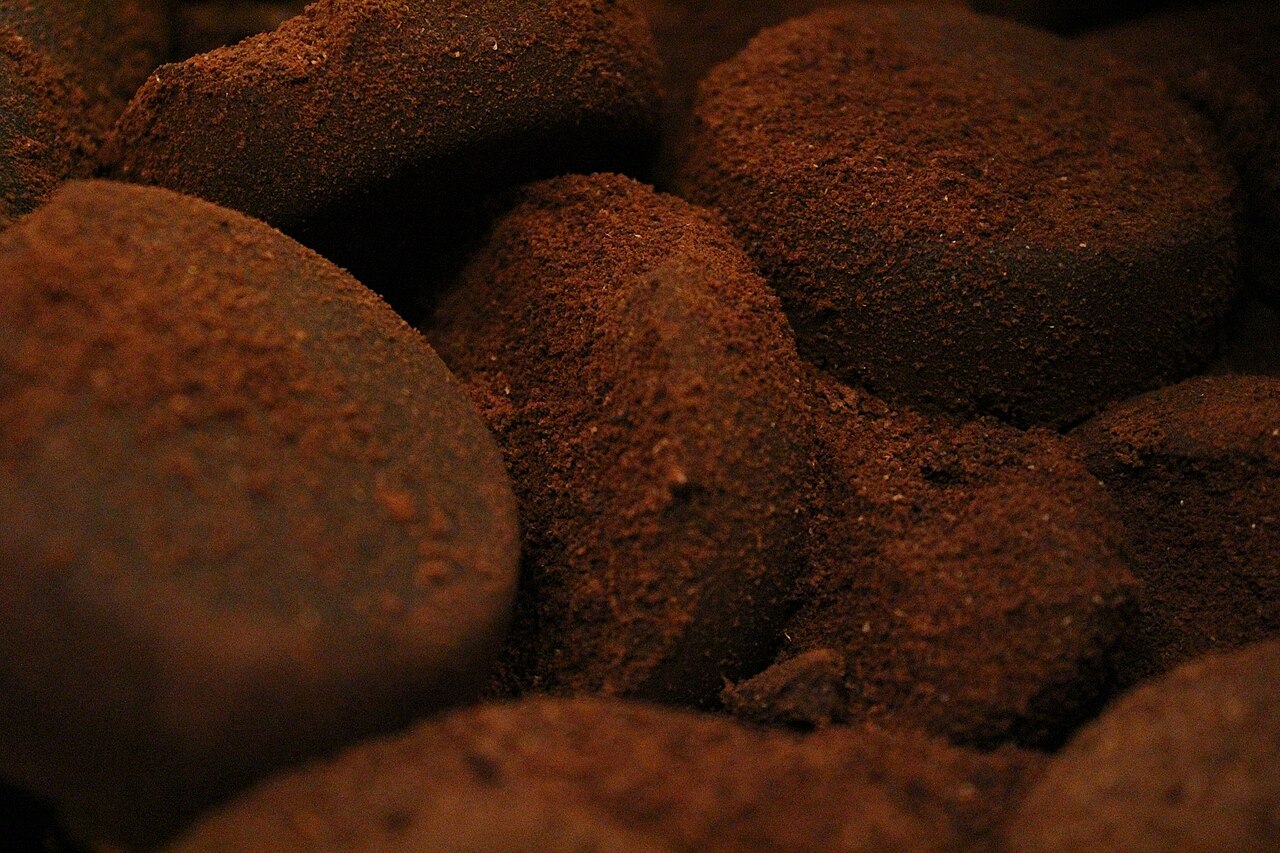
The ideal espresso shot is a symphony of balance—sweetness, acidity, bitterness, and body all harmonizing. Achieving this requires a grind size that offers just enough resistance to the pressurized water, allowing for optimal extraction of desirable solubles over the correct period. This grind should feel like fine sand, but not powdery like flour.
When you hit the sweet spot, your espresso machine will hum, and the shot will emerge from the portafilter in a steady, viscous stream, often exhibiting beautiful "tiger striping" as dark and light crema swirl together. For an 18-gram dose, aiming for a 1:2 ratio (36 grams out), the target extraction time typically falls between 28 and 32 seconds, with water around 92-94°C. The taste profile is complex and satisfying: bright, but not aggressively sour; sweet, but not cloying; a pleasant bitterness that rounds out the flavor, and a rich, creamy texture. Whether you're pulling a classic Italian dark roast like a Lavazza or a modern medium-roasted blend, the perfect grind allows the coffee's inherent characteristics to shine without dominance from under or over-extraction.
The Fine Fury: Burnt & Over-extracted
Conversely, if your grind is too fine, you're creating an impenetrable barrier for the water. Imagine trying to force water through finely ground flour. The machine struggles, the pressure builds, and the water either chokes or trickles out agonizingly slowly, taking well over 35 seconds to reach your desired yield.
This prolonged contact time, combined with the high pressure, strips the coffee of its desirable flavors and extracts harsh, bitter, and astringent compounds. The shot will likely appear dark, often with a thin, blotchy crema. On tasting, it's overwhelmingly bitter, burnt, and often tastes like ash, rubber, or even an emptied ashtray. There's a drying sensation on the tongue, known as astringency, which is another hallmark of over-extraction. Darker roasts, such as a traditional Neapolitan blend, are particularly susceptible to this fate. Their inherent robust bitterness quickly turns acrid with even a slightly too-fine grind, destroying the rich chocolate and nutty notes they should offer.
Finding Your Setting: The Dial-In Process
Mastering grind size is an iterative process known as "dialing in." Start with a known good setting for your grinder—whether it’s a Mazzer Mini E, a Niche Zero, or the integrated grinder on a Breville Barista Express. Use a consistent dose, typically 18 grams, and aim for a 36-gram yield. Pull a shot and time it. If it's too fast (under 28 seconds), adjust your grinder one step finer. If it's too slow (over 32 seconds), adjust one step coarser. Pull another shot. Repeat until you land in the target extraction window.
Always adjust only one variable at a time, and remember that factors like humidity, the age of your beans (fresher beans require a slightly coarser grind as they contain more CO2), and even the specific bean varietal will influence your ideal setting. Your grinder is your most powerful tool in the pursuit of espresso perfection. Learn its nuances, listen to its hum, and taste every shot critically. The perfect espresso is a moving target, but the ability to fine-tune your grind ensures you're always aiming true.
