
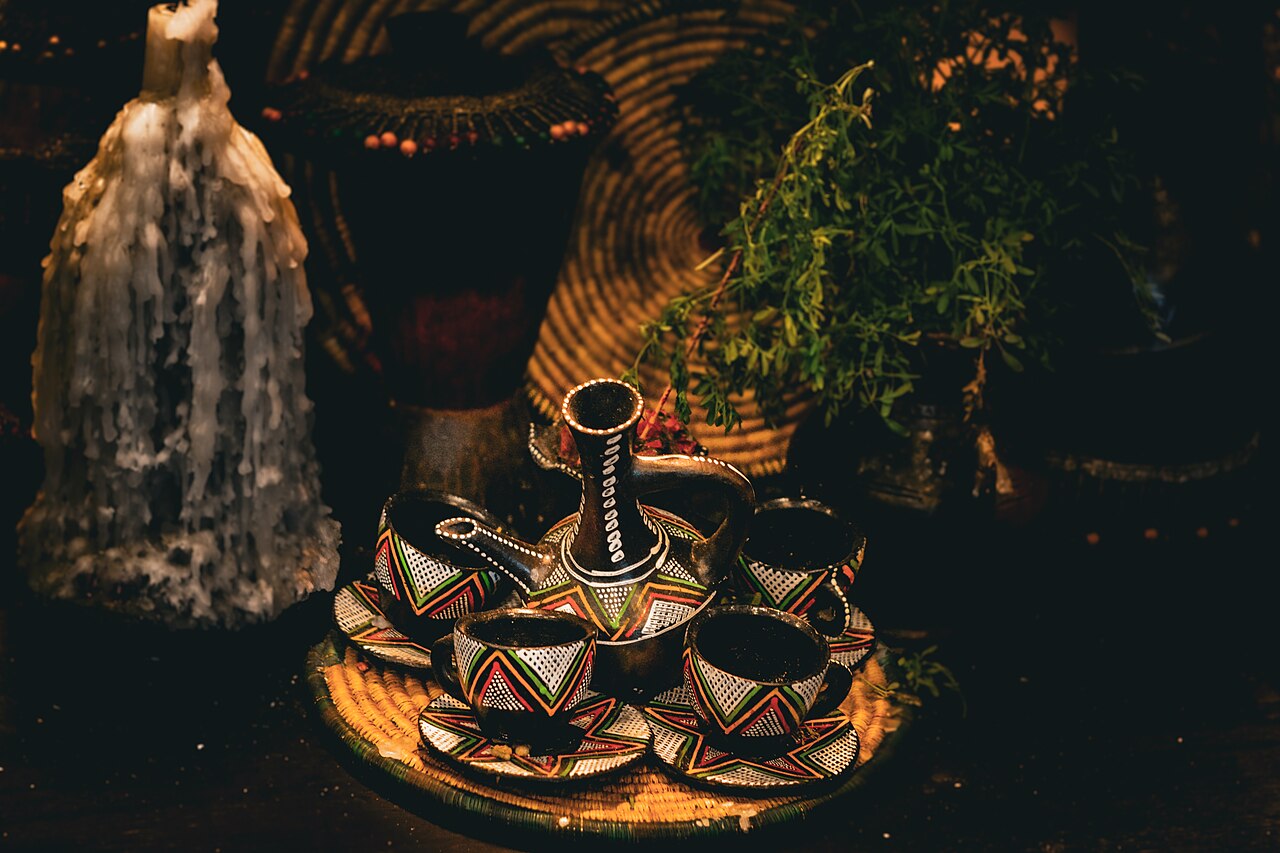
The aroma of roasting coffee beans isn't just an invitation in Ethiopia; it is the ceremony itself beginning. In a world chasing speed and convenience, the Ethiopian coffee ceremony, or buna, remains a slow, deliberate act of community and respect. It is an experience that teaches you what coffee truly is: not merely a beverage, but a ritual, a conversation, a blessing.
This is not about an espresso shot or a pour-over. This is about patience, about the transformation of a green seed into a complex brew, performed in three distinct rounds, typically in the home, shared among family and guests. It is how coffee has been made for centuries, a tradition unchanged, a direct link to the very origin of our drink.
The Sensory Prelude: Roasting and Grinding
The ceremony begins with raw, green coffee beans, often heirloom varietals from regions like Yirgacheffe or Sidamo. A small amount, perhaps 100-150 grams, is carefully washed and then roasted in a flat, heavy pan over a small charcoal stove or open flame. This isn't just a utilitarian step; it's a sensory performance. The beans crackle, change color from pale green to golden, then light brown, then a deep, oily mahogany. The roaster, typically the woman of the house, skillfully agitates them, ensuring an even roast. The air fills with the incomparable scent of freshly roasting coffee, a smell so inviting it's considered disrespectful not to offer it to guests to inhale deeply. The roast level is usually light to medium, allowing the bright, floral notes of Ethiopian beans to shine without being overshadowed by char.
Once roasted, the beans are transferred to a mortar and pestle—the mukecha and zenezena—and ground by hand. The grind is fine, almost a powder, coarser than Turkish coffee but finer than most espresso grinds. This physical act of grinding adds to the meditative quality of the ceremony, building anticipation for the brew to come. It’s a labor of love, a direct connection to the product that modern electric grinders often distance us from.
The Brewing: The Jebena’s Song
The ground coffee is then carefully transferred to the jebena, a traditional clay pot with a long, slender neck and a spherical base, set over the same charcoal stove. Water, typically 500-700ml, is added to the jebena and brought to a rolling boil. Once boiling, the coffee is stirred in. The mixture is allowed to boil for a few minutes, never violently, but a gentle simmer. The key here is not a precise temperature or pressure, but an observed extraction. The coffee and water mingle, transforming. The jebena is then removed from the heat and allowed to rest for a few minutes, allowing the grounds to settle at the bottom. This resting period is crucial, preventing grounds from entering the cup.
When it’s time to pour, the brewmaster will often use a filter—traditionally a piece of cloth or horsehair—placed in the spout of the jebena to catch any stray grounds. The coffee is poured in a single, continuous stream from a height into small, handleless cups called finjal. This high pour aerates the coffee slightly and adds to the visual elegance of the service.
The Three Rounds: Abol, Tona, and Baraka
The ceremony unfolds in three distinct rounds, each with its own character and significance. Frankincense, or etan, is often burned during the ceremony, its sweet, smoky aroma cleansing the space and complementing the coffee's fragrance.
- Abol: The First Round. This is the strongest and most potent brew, straight from the initial extraction. It is robust, vibrant, and the most anticipated. It's offered first, often accompanied by popcorn or traditional snacks. This round sets the tone, a concentrated burst of flavor and energy.
- Tona: The Second Round. After Abol, more hot water is added to the same grounds in the jebena, and it's brought to a boil again. This yields a slightly milder, yet still flavorful, brew. Tona facilitates deeper conversation and extended hospitality. It's a testament to the fact that good coffee has more to give than a single pour.
- Baraka: The Third Round. Meaning 'to be blessed,' this final round is the weakest but carries the most symbolic weight. More water is added to the already extracted grounds, and it’s brewed a third time. It is a round of reflection, of good wishes, and a final farewell. To complete all three rounds signifies a full and respectful participation in the ceremony and the blessings of shared time.
The Ethiopian coffee ceremony is more than just a way to make coffee; it is a profound lesson in connection. It reminds us that the best coffee experiences are often those shared, those that demand our full presence, and those that respect the journey from bean to cup. Next time you brew, consider the pauses, the aromas, and the company. You might find a bit of Ethiopia in your own kitchen.
