
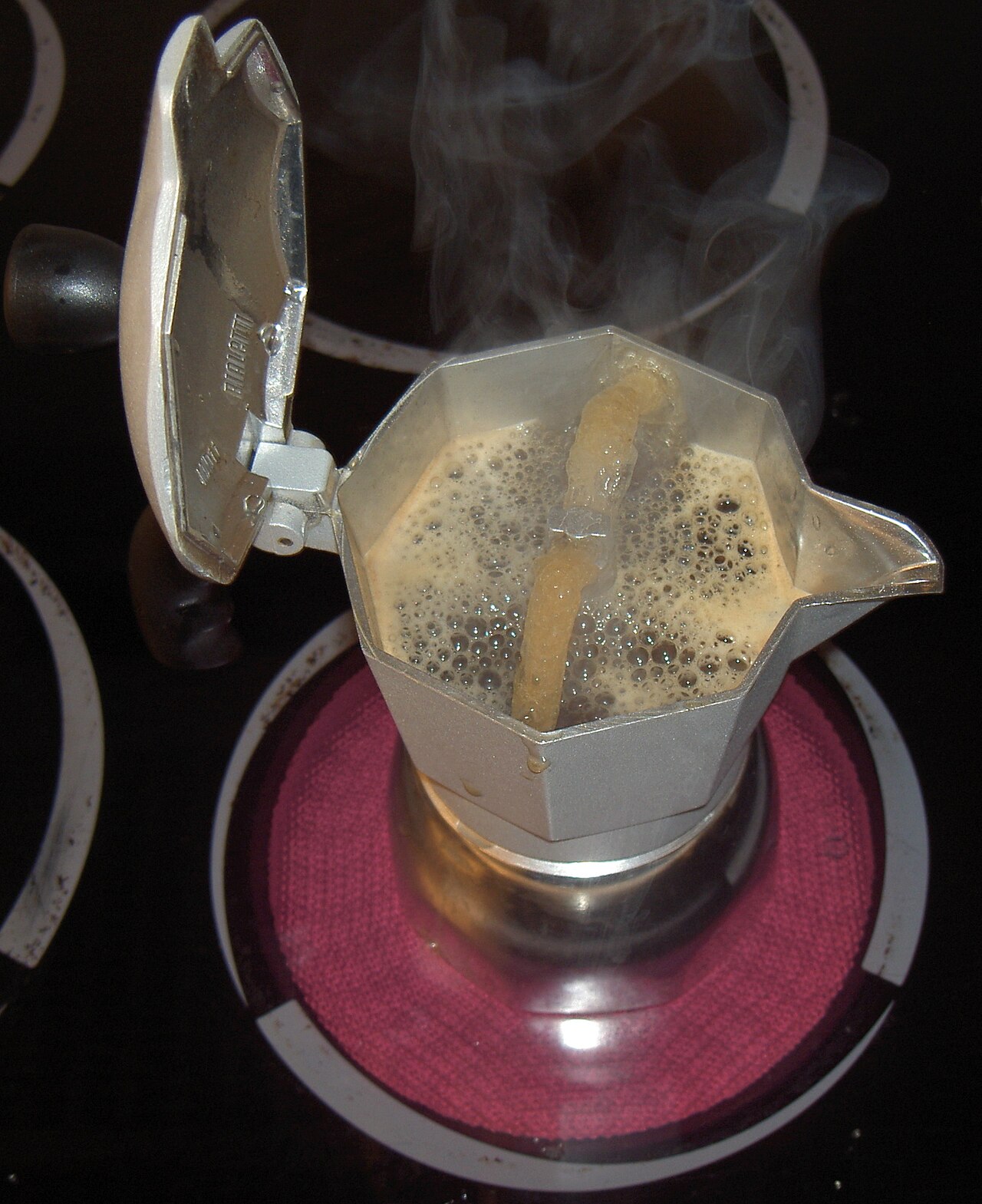
The stovetop espresso maker is a cornerstone of global coffee culture, and for good reason: it delivers a potent, concentrated brew without the need for an expensive machine. But among the countless iterations, the Bialetti Moka Express, designed in 1933, remains the undisputed king. Its dominance extends beyond mere nostalgia; even when considering its modern stainless steel siblings, Bialetti's original engineering principles still define excellence in this category. This isn't just about an iconic shape; it’s about a design that performs, consistently, for nine decades.
Engineering a Better Brew: Aluminum, Stainless, and Bialetti's Edge
The original Moka Express is cast aluminum, prized for its rapid, even heat transfer. Aluminum is lightweight, affordable, and quick to reach brewing temperature. Its drawback? Reactivity. It can impart a metallic taste if not seasoned properly, and it’s not induction compatible. Enter the stainless steel moka pot. Brands like Bialetti themselves, with their Venus and Musa lines, offer stainless versions that eliminate reactivity concerns, are easier to clean, and work on all stovetops, including induction. The stainless model provides a cleaner cup profile, free from any potential aluminum ghosting.
But here’s the crucial distinction: many stainless moka pots from other manufacturers are poorly designed imitations. They often have thinner walls, less precise threading, and poorly machined pressure valves. Bialetti's stainless models, while deviating from the octagonal aluminum, retain the robust build quality and the meticulously engineered pressure valve that defines the brand. The original Moka Express has sold over 200 million units for a reason: it simply works better. Its pressure release valve is calibrated precisely to extract maximum flavor without over-pressurizing, a common fault in cheaper alternatives. When you choose a stainless moka pot, sticking with Bialetti ensures you’re buying into that proven engineering, not just the material.
Mastering the Moka: Crafting the Concentrated Cup
Achieving a great cup from a moka pot isn't brain surgery, but it demands attention to detail. Start with filtered water, crucial for taste, and fill the bottom chamber to just below the safety valve. For a 6-cup Bialetti, that's roughly 300ml. Use pre-heated water—straight from the kettle, just off the boil—to minimize the time the coffee grounds spend exposed to heat before extraction begins. This prevents "cooking" the coffee and reduces bitterness.
Grind your beans medium-fine, similar to coarse sand or slightly finer than drip coffee. It should feel gritty, not powdery. For a good dark roast, like a Lavazza Crema e Gusto or a Kimbo Espresso Napoletano, this grind provides optimal surface area. Fill the filter basket loosely to the top, leveling it gently with a finger, but never tamping. Tamping over-compacts the grounds, leading to over-extraction and a choked pot. Assemble the pot securely, ensuring a tight seal. Place it on medium-low heat. The goal is a slow, steady extraction, indicated by a rich, amber stream flowing into the upper chamber. As soon as you hear a gurgling sound and the stream turns lighter, remove the pot from the heat. This prevents sourness from over-extracted bitter compounds. Pour immediately. What you get is a dense, intense brew, often called "stovetop espresso," perfect on its own or as a base for milk drinks.
The Moka Pot's Enduring Cultural Resonance
The Moka pot isn't just a coffee maker; it’s a cultural artifact, particularly in Italy where coffee is ritual. It’s the first sound many Italians hear in the morning. This simple device has permeated homes across generations, symbolizing hospitality and the everyday pleasure of a well-made coffee. Its ubiquitous presence in films like Federico Fellini’s La Dolce Vita (1960) only solidifies its place in the collective consciousness as a symbol of Italian life.
Its appeal today transcends national borders. In dorm rooms, small apartments, and camping trips, the moka pot thrives because of its inherent practicality. It’s durable, requires no electricity beyond a heat source, and is relatively inexpensive. Bialetti’s enduring success is rooted in its ability to marry robust design with cultural significance. The company has consistently adapted, offering stainless options and induction compatibility, but without compromising the core principles that made the original so effective. It’s a testament to good design that something so simple can remain so relevant for so long.
The Bialetti Moka pot, whether in its classic aluminum form or its modern stainless steel iterations, offers an accessible gateway to rich, concentrated coffee. Its enduring reign is not by accident; it's the result of superior engineering, thoughtful design, and a deeply ingrained cultural presence. For a consistent, robust cup every day, understanding its nuances and choosing a genuine Bialetti—aluminum or stainless—remains the smartest decision.
