
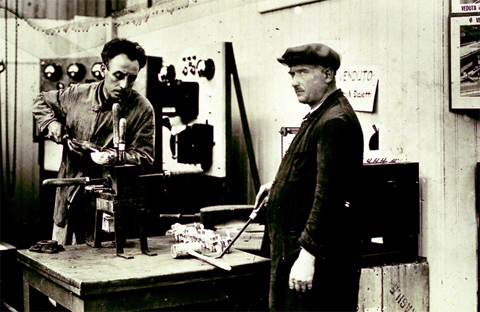
Every kitchen with an Italian soul, from Palermo to Poughkeepsie, likely houses a Moka pot. It's not just a brewing device; it's a brass-knuckled symbol of convenience and strong coffee, delivering a concentrated shot that fueled generations. For 90 years, Alfonso Bialetti’s original design has stood sentinel on stovetops, an icon of daily ritual. But while the classic aluminum remains culturally sacrosanct, the stainless steel Moka pot offers a compelling argument for a cleaner, more versatile cup.
The Genius of Alfonso Bialetti
In 1933, Alfonso Bialetti introduced the Moka Express, a simple yet ingenious three-chambered device. Hot water in the bottom chamber forces steam pressure through a bed of ground coffee in the middle filter basket, pushing brewed coffee into the top collection chamber. It’s an elegant application of steam power, creating a robust, full-bodied coffee often mistakenly called 'stovetop espresso.'
Let’s be clear: it’s not true espresso. True espresso requires 9 bars of pressure; a Moka pot typically generates 1 to 2 bars. But the Moka pot delivers a concentrated brew that stands remarkably close, especially with the right technique, forming the base for countless caffè lattes and cappuccinos across Italy and beyond. It democratized strong coffee, making a quality morning brew accessible without expensive machinery.
Aluminum vs. Stainless: A Matter of Taste and Longevity
The original Bialetti Moka pots, like many of the tools in a traditional Italian kitchen, were cast from aluminum. Aluminum is an excellent heat conductor, allowing the pot to heat quickly and evenly. It's lightweight and relatively inexpensive, which contributed to its widespread adoption. However, aluminum is also reactive. Over time, it can leach subtle metallic notes into the coffee, particularly with lighter roasts or when the pot isn't perfectly seasoned. More critically, aluminum is not compatible with induction stovetops, a growing standard in modern kitchens.
Enter the stainless steel Moka pot. Models like the Bialetti Venus or Kitty offer a significant upgrade. Stainless steel is non-reactive, meaning your coffee tastes purely of coffee, unadulterated by any metallic undertones. This clarity of flavor is immediately noticeable, allowing the nuances of your beans to shine through. Stainless steel is also incredibly durable, resisting dents and corrosion far better than aluminum. And for those with induction cooktops, stainless steel is the only option.
While it takes slightly longer to heat up and costs more initially, the investment pays dividends in taste, durability, and versatility. The argument for stainless steel isn't just about modernity; it's about preserving the integrity of the brew.
Brewing for the Best
Mastering the Moka pot, whether aluminum or stainless, refines the daily ritual. Here’s how to unlock its full potential:
First, water temperature matters. Fill the bottom chamber with hot water, just off the boil (around 200°F / 93°C). This crucial step prevents the metal from overheating and scorching the coffee grounds before extraction even begins. Fill to just below the pressure release valve.
Next, the grind. Aim for a medium-fine grind—finer than for a drip machine, but coarser than true espresso. Too fine, and the pressure struggles; too coarse, and you get weak, under-extracted coffee. Fill the filter basket loosely with freshly ground dark-roast coffee, leveling it gently. Do not tamp. Over-packing leads to bitterness and can stress the pot.
Assemble the pot tightly and place it on a medium-low heat source. A gentle, steady heat is key. Resist the urge to crank the heat up; high heat can 'cook' the coffee, resulting in a burnt, acrid taste. Keep the lid open if you wish, and watch for the coffee to begin bubbling up into the top chamber.
Once the coffee starts to flow, it should emerge in a steady, amber stream, not sputter violently. As soon as you hear a gurgling sound or the stream turns pale and frothy, remove the Moka pot from the heat immediately. This prevents over-extraction of bitter compounds.
Serve the coffee within moments. A 6-cup Moka pot, typically yielding about 10-12 fluid ounces of concentrated brew, is perfect for sharing or diluting. This concentrated coffee, robust and potent, can be enjoyed neat, or stretched into an Americano with hot water, or transformed into a milk-based drink.
The Moka pot isn't just a relic of coffee history; it's a living, breathing part of daily life, connecting us to a rich tradition. While its form has remained largely unchanged, the choice of material offers an evolution. Opt for the stainless steel. It honors the spirit of Bialetti’s enduring design with a commitment to cleaner flavor, superior durability, and modern versatility. Invest in a stainless Moka pot, understand its simple mechanics, and elevate your daily ritual into something truly exceptional, cup after focused cup.
