
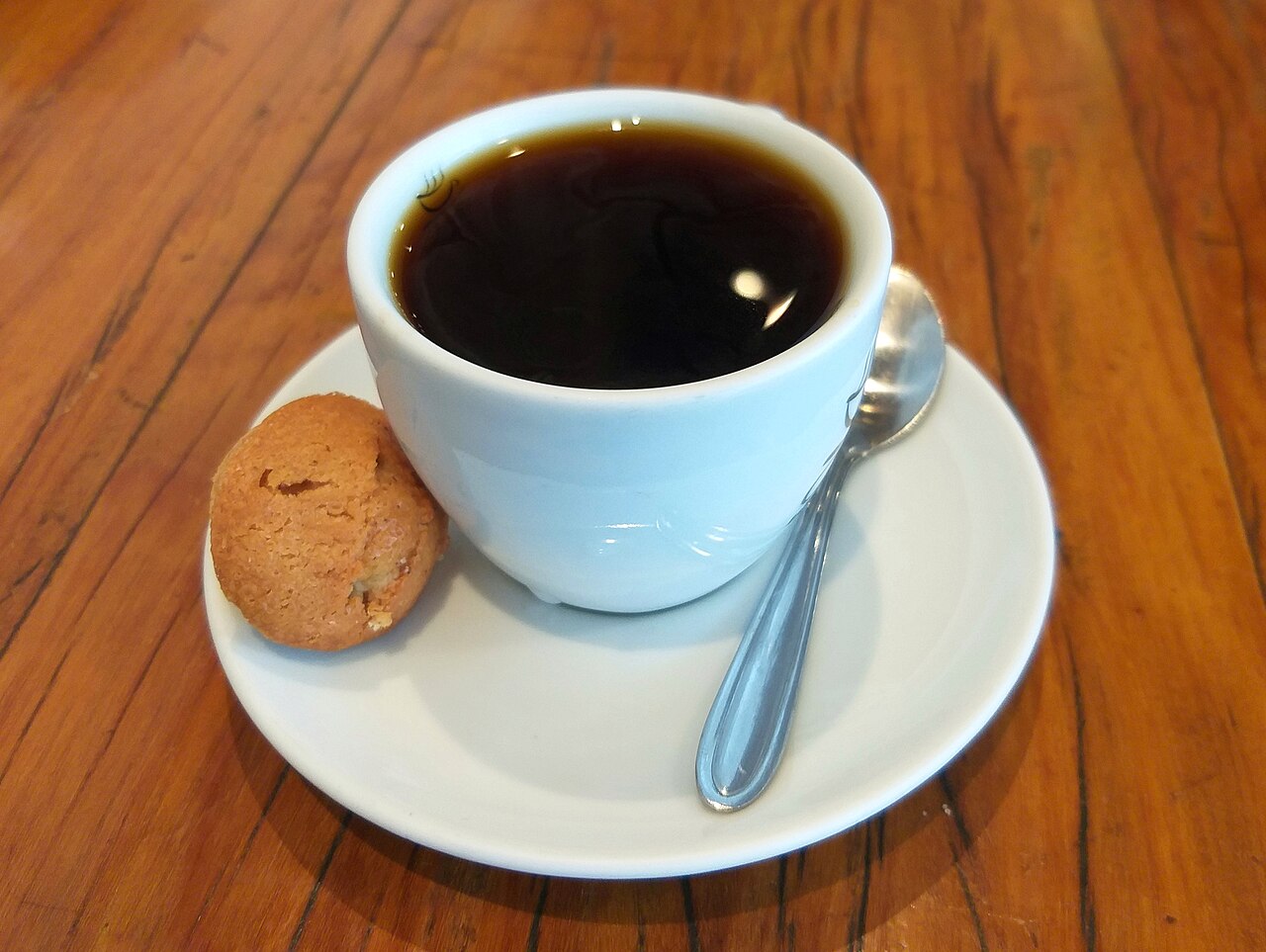
“Third Wave Coffee” is not just a buzzword for expensive drinks or snobby baristas. It is a philosophy, a commitment to quality that fundamentally shifted how we understand and consume coffee.
Before we define the Third Wave, a quick look back. The First Wave brought coffee to the masses. Think Maxwell House, Folgers, instant coffee: convenient, cheap, and abundant. It was about caffeine delivery, not flavor. The Second Wave, spearheaded by companies like Starbucks and Peet's Coffee, elevated the experience. It introduced specialty drinks, Italianate names, and a social space. It taught us coffee could be more than just black or with cream and sugar. But even here, the focus was often on masking the coffee’s inherent flavors with syrups and milk.
What Third Wave Coffee Is
The Third Wave began in the late 1990s and early 2000s, driven by a desire for transparency and an almost wine-like appreciation for origin. It's about treating coffee as an artisanal product, similar to craft beer or single-malt Scotch. Key tenets include:
Origin and Traceability: Knowing precisely where the beans come from – not just “Colombia,” but the specific farm, region, and elevation. Roasters like Stumptown Coffee Roasters, Blue Bottle Coffee, and Intelligentsia Coffee built their reputations on direct trade relationships, ensuring fair prices and sustainable practices. This means paying more for green coffee, but it ensures higher quality and better living conditions for growers.
Lighter Roasts: Unlike the dark, often burnt profiles of the Second Wave, Third Wave roasters prioritize lighter to medium roasts. The goal is to highlight the inherent characteristics of the bean: its acidity, sweetness, and complex aromatics, not the roast itself. A well-roasted Ethiopian Yirgacheffe, for instance, should taste of jasmine and citrus, not just bitterness.
Precision Brewing: Every variable matters. Water temperature, grind size, coffee-to-water ratio, and extraction time are meticulously controlled. For a pour-over, like with a Hario V60 or Kalita Wave, water temperature should be between 200-205°F (93-96°C). The grind should be medium-fine, resembling sea salt. A common ratio is 1:15 to 1:17 (e.g., 20 grams of coffee to 300-340ml water). The bloom phase, a 30-45 second initial pour, allows gases to escape, leading to an even extraction. These details are not arbitrary; they unlock the coffee's full potential.
What Third Wave Coffee Isn't
Third Wave is often mischaracterized as elitist or overly precious. It is not necessarily about making coffee inaccessible. It is also not about demonizing sugar or milk. Rather, it encourages drinking coffee black first, to truly taste it, before adding anything. It’s about choice, born from understanding.
It also isn’t a rejection of tradition. While it champions new methods, it often re-examines and refines classic techniques. A meticulously pulled espresso shot, for example, adheres to precise parameters of pressure, temperature, and yield. A classic Italian espresso might use a darker roast, but a Third Wave espresso still respects the craft, simply with different bean characteristics in mind. The equipment reflects this evolution: machines like the La Marzocco Linea Mini or the Slayer Espresso machine offer unparalleled control, allowing baristas to fine-tune every shot.
Beyond the Hype: The Enduring Impact
The Third Wave has undoubtedly pushed the entire industry forward. It forced roasters to source better beans, compelled cafés to train their baristas with more rigor, and educated consumers about the vast spectrum of coffee flavors. It made us ask questions: Who grew this coffee? How was it processed? What should it taste like?
Some argue we are now in a “Fourth Wave,” focusing on hyper-specialization, science, and perhaps even more extreme brewing methods. But the core tenets of the Third Wave — quality, transparency, and a deep respect for the bean — remain the bedrock. The best Third Wave cafes aren't just selling coffee; they're selling an experience rooted in education and craft. They are places where you can discuss the nuances of a naturally processed Sidama versus a washed Kenyan AA, where you can watch your pour-over prepared with surgical precision, and where every cup tells a story.
Understanding Third Wave coffee means appreciating the labor, expertise, and passion that goes into every stage of its production. It challenges you to slow down, to taste, and to ask why. And when you do, your daily cup transforms into something far more profound.
