
Third Wave coffee isn't a fleeting trend; it's a fundamental shift in how we approach the bean itself. It’s a movement born from a desire for transparency, quality, and a profound respect for coffee's journey from seed to cup. This isn't about snobbery; it’s about understanding the agricultural product and appreciating the craft.
Before the Third Wave, coffee was largely a commodity. Generic roasts, often dark to mask inconsistencies, dominated the market. The First Wave was about accessibility—think Maxwell House. The Second Wave brought us café culture and espresso drinks, popularized by brands like Starbucks, but often still prioritizing consistency over origin character. The Third Wave demands more: it asks for a story, a traceable origin, and a carefully developed flavor profile.
What It Means: Traceability, Craft, and Flavor
At its core, Third Wave coffee emphasizes traceability. This means knowing the specific farm, the region, and even the processing method (washed, natural, honey) of the beans you’re drinking. We want to know the hands that harvested it, the altitude it grew at, and the unique characteristics it developed. An Ethiopian Yirgacheffe should taste distinctly different from a Kenyan AA, and both from a naturally processed Colombian.
The craft extends to roasting. Third Wave roasters, like Counter Culture or Heart Coffee Roasters, aim for lighter roasts that highlight the bean's inherent flavors rather than charring them into submission. This approach preserves the nuanced notes—stone fruit, citrus, floral, chocolate—that define a specific origin. Over-roasting, once common, now feels like a disservice.
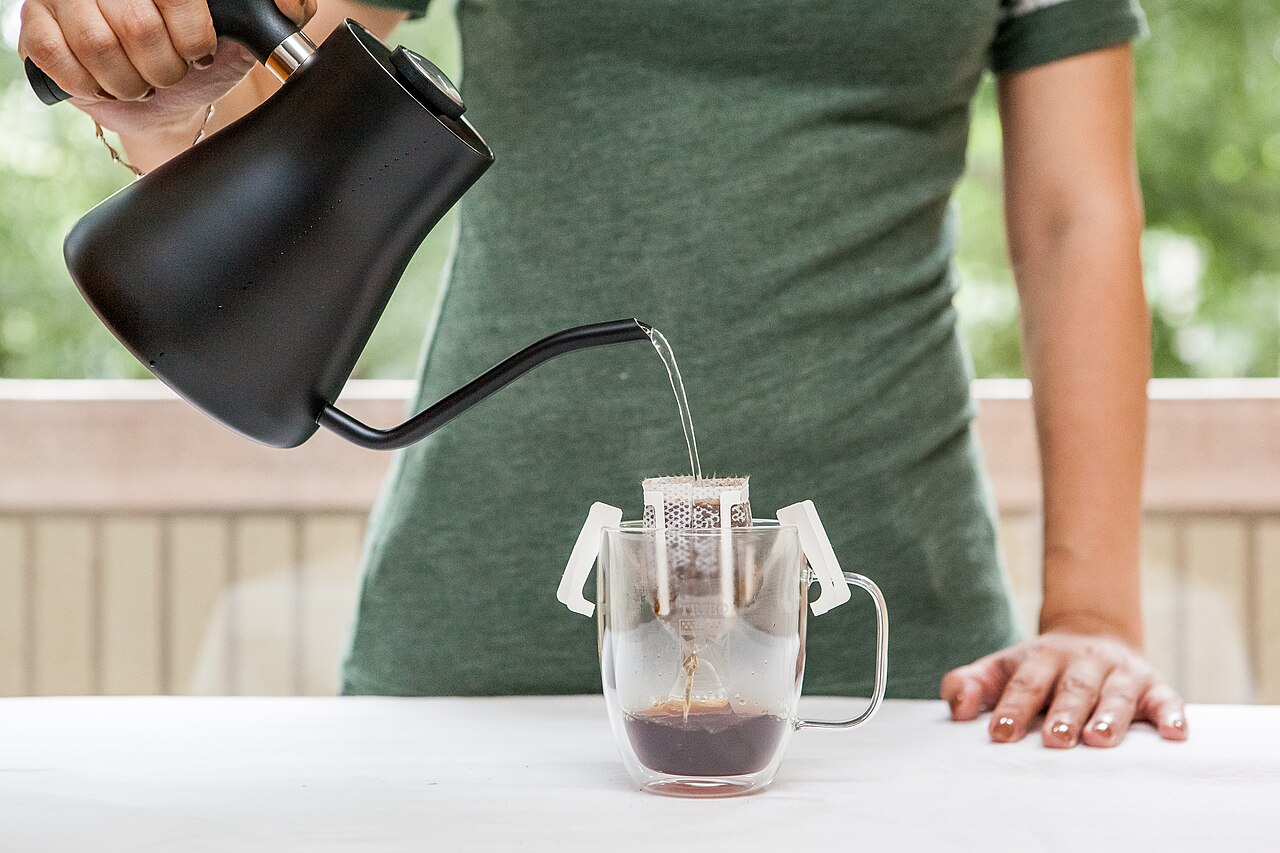
Finally, there's the brewing. Precision is paramount. For a pour-over, such as with a Hario V60 or Chemex, water temperature is critical, ideally between 200-205°F (93-96°C). Grind size is meticulous, often a medium-fine consistency achieved by a high-quality burr grinder like a Comandante C40 or Baratza Virtuoso+. The coffee-to-water ratio is precise, commonly 1:15 or 1:16 (e.g., 20 grams of coffee to 320 grams of water), and the extraction time is carefully managed to around 2:30 to 3:00 minutes. This level of detail transforms brewing into a deliberate art form, much like the commitment to excellence depicted in the documentary The Coffee Man, which follows Sasa Sestic's journey to the World Barista Championship.
What It Doesn't Mean: Exclusivity or Dismissal
Crucially, Third Wave coffee is not an elitist club, nor is it a wholesale rejection of other coffee traditions. The robust, syrupy espresso from an Italian bar, the sweet and strong Vietnamese phin drip, or the thick, sediment-rich Turkish cezve—these are rich, valid, and deeply rooted expressions of coffee culture. Third Wave doesn’t invalidate a strong, dark roast enjoyed with milk and sugar; it simply offers an alternative lens through which to experience coffee, focusing on different aspects of its potential.
It also doesn't mandate expensive equipment. While precise tools help, the spirit of Third Wave can be found in simpler setups. An AeroPress, a decent burr grinder, and a thermometer can yield an exceptional cup. The goal isn't to accumulate gear, but to understand the variables. No one should feel intimidated by a coffee menu describing a naturally processed Panamanian Gesha with notes of jasmine and bergamot. This is information for exploration, not a test of knowledge. It’s about curiosity, not judgment.
Bringing Third Wave Principles Home
To truly engage with Third Wave coffee, start with a few foundational practices. First, invest in a good grinder. A burr grinder, whether manual or electric, is non-negotiable. Pre-ground coffee is a disservice; the moment coffee is ground, it rapidly loses aromatics. Maintaining particle consistency and freshness is key.
Second, control your water temperature. A variable temperature kettle, like the Fellow Stagg EKG, allows for precision. Boiling water can scald the coffee, leading to bitterness, while water that's too cool results in under-extraction and a sour taste. Aim for that 200-205°F range.
Third, weigh your inputs. Coffee and water are best measured by weight, not volume. A simple kitchen scale is sufficient. Consistency is the pathway to understanding, and measurement provides that consistency. Experiment with different single-origin beans—start with a washed Ethiopian for its bright, floral notes, then move to a natural process Brazilian for a different kind of fruitiness and body.
Third Wave coffee is ultimately a commitment to quality and transparency, a celebration of the agricultural product that fuels our days. It's about respecting the entire coffee chain and finding your perfect cup through knowledge, precise execution, and a willingness to explore. It’s a continuous learning journey, and a truly rewarding one.
