
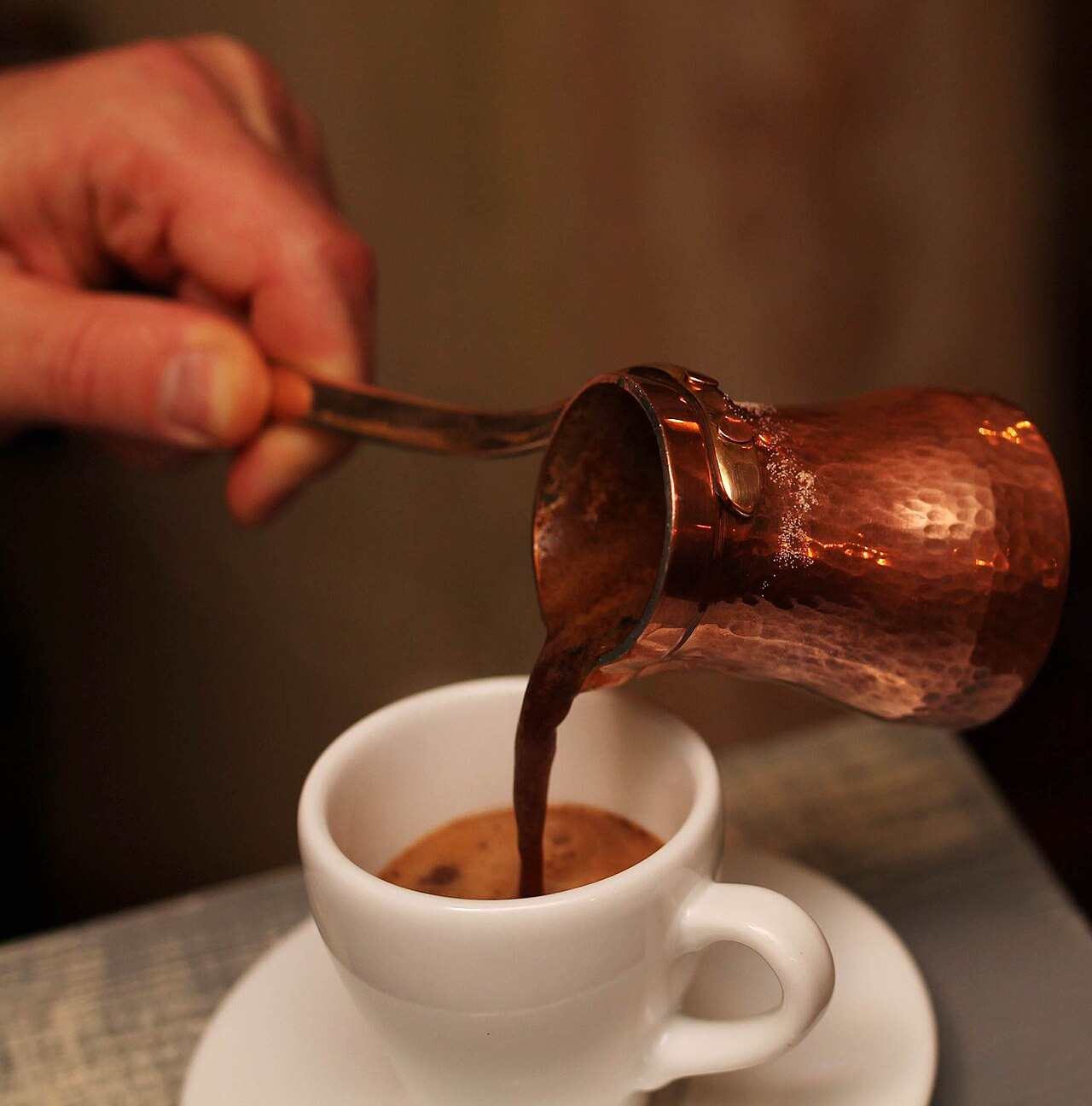
Turkish coffee is not merely a drink; it is a ritual, a conversation starter, and an act of hospitality, officially recognized by UNESCO as part of humanity's intangible cultural heritage. Its preparation is as ancient as it is precise, culminating in a cup of unparalleled intensity and velvety body. The secret lies not just in the ultra-fine grind, but in the specific, multi-stage heating process known as the three-boil method.
Most coffee methods aim to avoid boiling water or prolonged heat exposure, fearing bitterness and over-extraction. Turkish coffee embraces it, but with a nuanced control that extracts maximum flavor while building a unique texture. This is not about scalding the coffee; it is about coaxing layers of flavor and aroma from exceptionally fine grounds.
The Ritual of Precision: Setting the Stage
To begin, you need a proper cezve. Traditionalists swear by copper for its superior heat conductivity, ensuring an even and controlled rise. Avoid aluminum; it heats unevenly and doesn't hold the subtle temperature changes needed. The coffee itself must be ground to a powder, finer than espresso, almost like flour. A specialized Turkish coffee grinder or a high-quality burr grinder set to its absolute finest is essential. A common choice for beans is a medium-dark roast, 100% Arabica, often from Brazil, which provides a robust, nutty base.
For each demitasse-sized cup (typically 60-70ml), measure one heaped teaspoon (approximately 7-8 grams) of coffee. Add cold, filtered water to your cezve – the ratio is crucial, roughly 1:10 coffee to water. If you take sugar, add it now; stirring sugar in later disrupts the vital foam. Resist the urge to stir the coffee into the water at this stage. Place the cezve over medium-low heat. The goal is a slow, steady increase in temperature, allowing the coffee particles to fully hydrate and begin their infusion.
The Science of the Three Boils
As the cezve heats, the coffee grounds will sink, and a rich, dark foam will slowly begin to form on the surface. This foam, known as 'köpük,' is the signature of a well-prepared Turkish coffee and is vital for both aroma and mouthfeel.
- The First Rise: Watch diligently. As the coffee approaches boiling, the foam will rise, forming a thick, dark brown collar. Just as it threatens to spill over the brim – and this timing is critical – immediately remove the cezve from the heat. Do not let it boil violently. Spoon a portion of this precious foam into each waiting demitasse cup. This foam acts as a flavorful lid, trapping volatile aromatics and contributing to the coffee's distinctive velvety texture.
- The Second Rise: Return the cezve to the heat. Again, allow the coffee to heat slowly, watching as the remaining liquid and grounds rise a second time. Once more, remove it just before it boils over. This second heating helps to further extract soluble solids, intensifying the flavor and body without scorching. If there's more foam, distribute it among the cups.
- The Third Rise: For the final time, place the cezve back on the heat. Let it rise one last time, building maximum extraction and internal pressure. As it crests the rim, take it off the heat for good. This repeated heating and cooling cycle is what truly sets Turkish coffee apart, maximizing the release of flavor compounds and oils while developing that characteristic rich, almost syrupy consistency.
Pouring and Enjoying the Unmatched Cup
After the third rise, let the cezve rest for about 30 seconds off the heat. This allows the ultra-fine grounds to settle to the bottom. Pour the coffee slowly and deliberately into the demitasse cups, aiming to distribute the liquid evenly without disturbing the settled grounds. The foam you spooned in earlier will greet the rich, dark liquid, creating a perfect aesthetic and aromatic blend.
This method, painstaking as it may seem, is precisely why Turkish coffee delivers a cup unlike any other. The prolonged, controlled heat extracts a deep, earthy bitterness often misunderstood as a flaw, but here it is balanced by the coffee's natural sweetness and the incredible, almost chewy body. The three-boil method is not about speed; it is about patience, precision, and respect for a tradition that has perfected the art of extraction to its absolute limit. Try it exactly as described, and you will understand why this ancient brew continues to captivate.
