
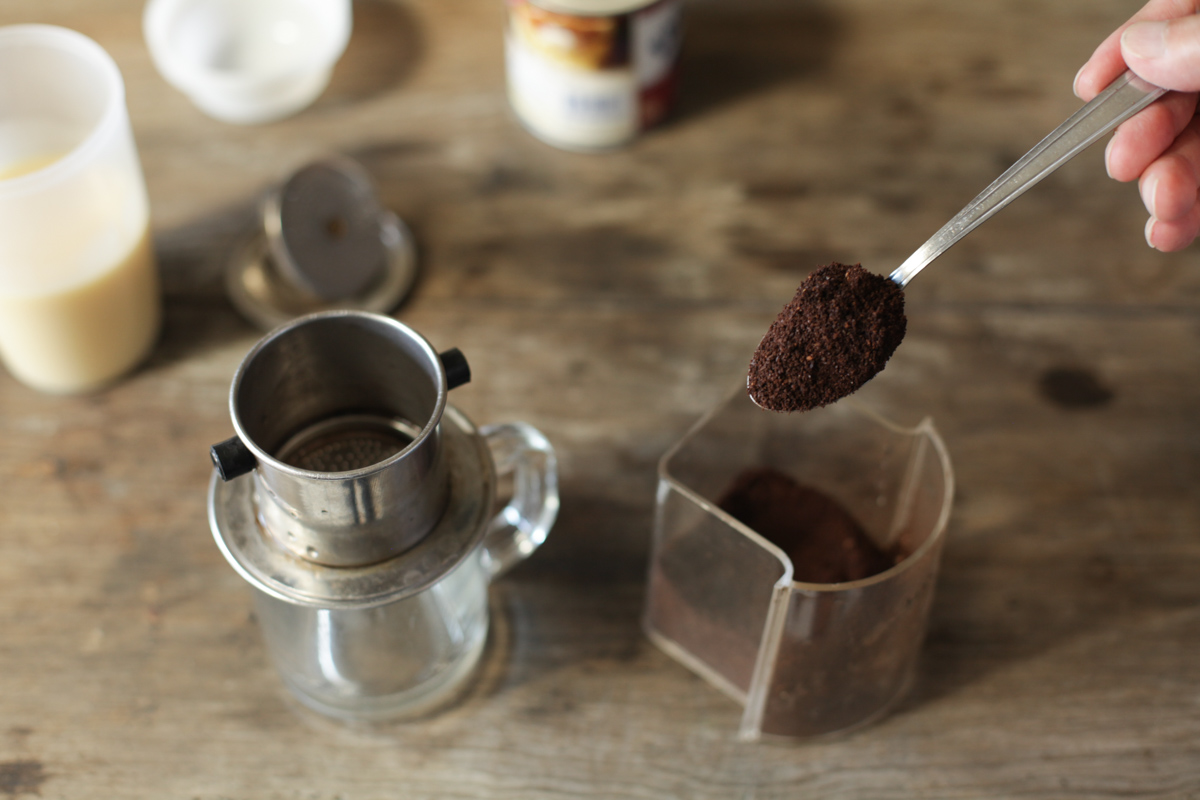
Vietnamese Phin coffee demands patience, and in return, it offers a distinct, robust cup that defines a culture. This isn't a grab-and-go espresso shot; it's a slow extraction, a mindful pause built around a simple, elegant gravity dripper and the perfect counterpoint of sweetened condensed milk.
The ritual starts long before the first sip. It begins with the decision to slow down.
The Dripper: Stainless Steel’s Superiority
The heart of Vietnamese coffee is the phin dripper. While aluminum phins are ubiquitous and cheap, their thin construction cools too quickly and can impart a metallic tang. The discerning brewer opts for stainless steel.
A good stainless steel phin, like those from brands such as Trung Nguyen or even generic heavy-gauge models, offers superior heat retention. This is critical for even extraction. Aluminum dissipates heat rapidly, leading to inconsistent brewing and a weaker, sometimes sour, cup. Stainless steel maintains the temperature of the water as it percolates, ensuring the coffee’s full spectrum of flavors, often heavy on robusta, is properly drawn out.
There are two main phin designs: the screw-down tamper and the gravity insert. The screw-down type allows for precise pressure adjustment, crucial for finely ground coffee, but can be unforgiving if overtightened. The gravity insert, my preference, relies on the coffee bed's natural resistance. It’s simpler, cleaner, and encourages a proper medium-coarse grind, allowing the coffee to swell and regulate its own flow. Less fuss, more consistent results.
The Roast, The Grind, The Milk
Vietnamese coffee beans are traditionally dark roasted, often with a significant robusta component. Robusta provides that signature bold, earthy, and sometimes chocolatey bitterness that stands up to the sweetness of condensed milk. Arabica-robusta blends are common, balancing robusta's kick with arabica's aromatic complexities. For a truly authentic experience, look for Vietnamese-grown beans. Medium-coarse grind is ideal, slightly finer than French press, but coarser than pour-over, allowing the water to slowly filter without clogging the phin.
The indispensable partner to Vietnamese coffee is sweetened condensed milk (SCM). Brands like Sữa Ông Thọ are iconic. This isn't just a sweetener; it’s a foundational element. Historically, fresh milk was not readily available or easily preserved in Vietnam's tropical climate. SCM offered a stable, rich, and creamy alternative. Its high sugar content not only balances the robust coffee's natural bitterness but also enhances its body, creating a luxurious mouthfeel that is distinctively Vietnamese. Start with one to two tablespoons (around 30-60ml) in the bottom of your glass, adjusting to your preference.
The Ritual: A Study in Patience
This is where the magic, and the wait, truly happen. Place the phin on top of your glass, ensuring it's stable. Add 20-25 grams of your medium-coarse ground coffee to the phin. Gently level the grounds. If using a gravity insert, place it on top of the coffee bed.
Heat your water to 200-205°F (93-96°C). First, a bloom: pour just enough hot water (about 20-30ml) to saturate the grounds. Wait 30-45 seconds. This allows the coffee to degas, preparing it for optimal extraction and preventing channeling. Watch the grounds swell, releasing their aroma.
Next, the main pour: slowly fill the phin to the brim (typically 100-120ml). Place the lid on top. Now, you wait. The coffee will drip slowly, a steady, deliberate rhythm. This extraction can take anywhere from 4 to 7 minutes. Resist the urge to rush it. If it drips too fast, your grind might be too coarse or your coffee is stale. Too slow, and the grind is likely too fine.
Once the last drop has fallen, remove the phin. Stir the rich, dark brew into the sweetened condensed milk. The result is a concentrated, potent shot, typically 60-80ml, a syrupy elixir ready for consumption. For the classic cà phê sữa đá, pour this mixture over a tall glass of ice. The rapid cooling locks in the flavor and delivers an invigorating chill.
The reward for your patience is a cup that is both intensely strong and remarkably smooth, a balance of bitterness and sweetness that is unlike any other coffee experience. It’s a testament to how simple tools, respect for tradition, and a moment of quiet can produce something profoundly satisfying.
