
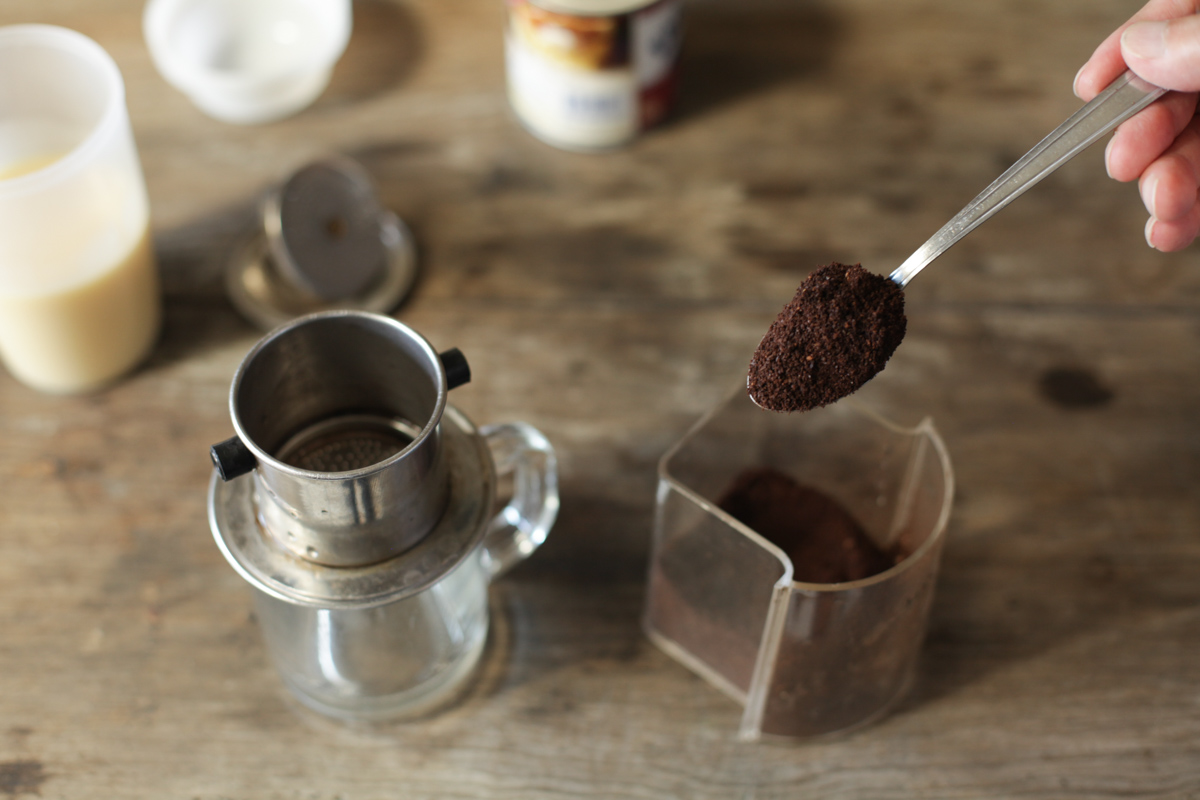
True coffee culture is built on ritual, and few rituals are as deliberate, as rewarding, or as culturally ingrained as brewing a cup of Vietnamese phin coffee. This isn't a grab-and-go experience; it demands your time, rewards your patience, and delivers a profoundly rich, sweet, and often potent cup. It’s a coffee that forces you to slow down, to watch the drip, and to anticipate the concentrated elixir forming below.
The Dripper: Stainless Steel, Uncompromising Design
At the heart of the Vietnamese coffee experience is the phin filter. This simple device, typically made of stainless steel, consists of a round perforated plate, a brewing chamber, and a gravity press or tamper, all sitting atop a receiving cup. While aluminum phins exist, the stainless steel version is superior. It retains heat more consistently, is more durable, and won't impart any metallic taste, especially after prolonged use. A standard 6oz phin is ideal for a single serving, though larger ones are available for brewing into a communal pot or for making a double strength concentrate.
The choice of bean matters immensely here. Traditionally, robusta beans are used, known for their high caffeine content and bold, chocolatey, often nutty flavor profile. Vietnamese robusta beans are typically dark roasted, sometimes with a touch of butter or even caramelized sugar during the roasting process, which contributes to their characteristic richness. Grind these beans to a medium-fine consistency—finer than a French press, but not as fine as espresso. Too fine, and the water won't drip; too coarse, and you'll get weak tea.
The Sweetness: Sữa Ông Thọ and the Layers
No discussion of Vietnamese coffee is complete without its iconic partner: sweetened condensed milk, or sữa đá. In Vietnam, brands like Sữa Ông Thọ (Longevity Brand) are staples. This isn't just an optional add-in; it's an integral component, balancing the robust intensity of the coffee with a creamy, sugary richness that defines the taste. The traditional method dictates that you spoon 2-3 tablespoons of sweetened condensed milk directly into your heat-proof glass first. Then, place your phin filter directly on top of the glass, ensuring a snug fit. This layering is crucial; the hot coffee will gradually mix with the dense, cold milk, creating a mesmerizing visual and a balanced flavor profile.
The Patience: A Slow Drip, A Grand Reward
Now, the brewing. Add 2 tablespoons (about 15-20 grams) of your medium-fine ground coffee into the phin's chamber. Place the gravity press on top, gently pressing down just enough to level the grounds, but not compacting them too much. The goal is even saturation and consistent drip. Pour a small amount of hot water (around 195-205°F or 90-96°C) over the grounds—just enough to wet them, about 1 ounce (30ml). This is your bloom, allowing the coffee to degas and prepare for extraction. Wait 30-45 seconds.
After the bloom, slowly pour the remaining hot water into the phin, filling it to the brim (about 4-5 ounces or 120-150ml). The magic now begins. The coffee will start to drip slowly, steadily, into the condensed milk below. This process should take anywhere from 4 to 7 minutes. Resist the urge to rush it. Each drop contributes to the concentrated brew. Once the phin is empty, remove it, stir the rich coffee and condensed milk mixture thoroughly, and enjoy it hot or pour it over a generous amount of ice for a refreshing cà phê sữa đá, a beloved staple in Saigon and Hanoi alike.
Brewing Vietnamese phin coffee is more than just making a drink; it's an act of mindfulness. It teaches you that some of the best things in life, and certainly some of the best coffees, demand a deliberate approach. The payoff is a cup unlike any other, a testament to robust beans, clever engineering, and an enduring cultural tradition. Go buy a good stainless steel phin, grab some Vietnamese robusta, and commit to the drip. You won't regret it.
